Startup Validation — Test, Prove & Launch Your Idea
Most startup ideas fail not because they were badly built, but because they were built for a problem that wasn't real. Validation is what separates founders who ship something people want from those who spend a year on an MVP nobody uses.
This section covers the practical validation playbook: how to test a startup idea before writing code, customer validation, product validation, MVP building, validation checklists, and the methods that work for early-stage UK founders.
Useful if you're considering starting something, refining an idea in progress, or advising a friend who's about to invest months into an unvalidated product.
If you'd like structured support validating your idea, our Founder Partnership Program helps early founders test and grow with practical hands-on backing.
Latest articles on Startup Validation

Product Market Fit Validation: How Startups Can Test Demand Before They Scale
A founder-focused guide to product market fit validation, with practical ways to test demand, read the right signals, and avoid premature hiring decisions before scaling.

Startup Testing Methods: How Founders Validate Ideas Before They Commit
A founder-friendly guide to startup testing methods that help UK startups validate ideas, features, offers, and hiring assumptions before committing time or budget.

Startup Validation Tools: How Founders Test Ideas, Demand, and Hiring Needs
A practical guide to startup validation tools for UK founders who want to test demand, reduce risk, and make smarter early hiring decisions before committing time and budget.

Startup Validation Examples: How Founders Test Demand Before They Build
A practical guide to startup validation examples for UK founders. Learn how to test demand with real signals, avoid weak assumptions, and use validation to make smarter early hiring decisions.

Startup Validation Framework: How Founders Test Ideas Before They Commit
A practical guide to the startup validation framework for UK founders who want to test ideas, reduce risk, and make smarter early hiring decisions before committing time or budget.

Early Stage Startup Validation: How Founders Test Demand Before They Scale
A founder-focused guide to early stage startup validation for UK startups. Learn what to test before hiring, spending heavily, or scaling too fast, and how Internwise can support structured early hiring decisions.

Demand Validation for Startups: How to Test Real Market Need Before You Hire
Learn how to validate startup demand before you hire, build, or commit budget. This founder-focused guide covers signals to look for, practical tests to run, and when to bring in support through Internwise.

Market Validation for Startups: How to Test Demand Before You Scale
A founder-friendly guide to market validation for startups, covering the signals that show real demand, low-cost ways to test an idea, and the mistakes that can lead founders to build too early. Learn how validation supports smarter hiring and growth planning in the UK.

Step-by-Step Startup Validation
A practical guide for UK founders who want to test an idea before they spend heavily on product, hiring, or marketing. Learn how to validate the problem, the audience, the solution, and the market with low-cost experiments that reduce risk and improve decision-making.

Where to Start with Startup Validation
A founder-friendly guide to startup validation for early-stage UK teams. Learn what to test first, how to check demand quickly, and how to reduce risk before building or hiring.
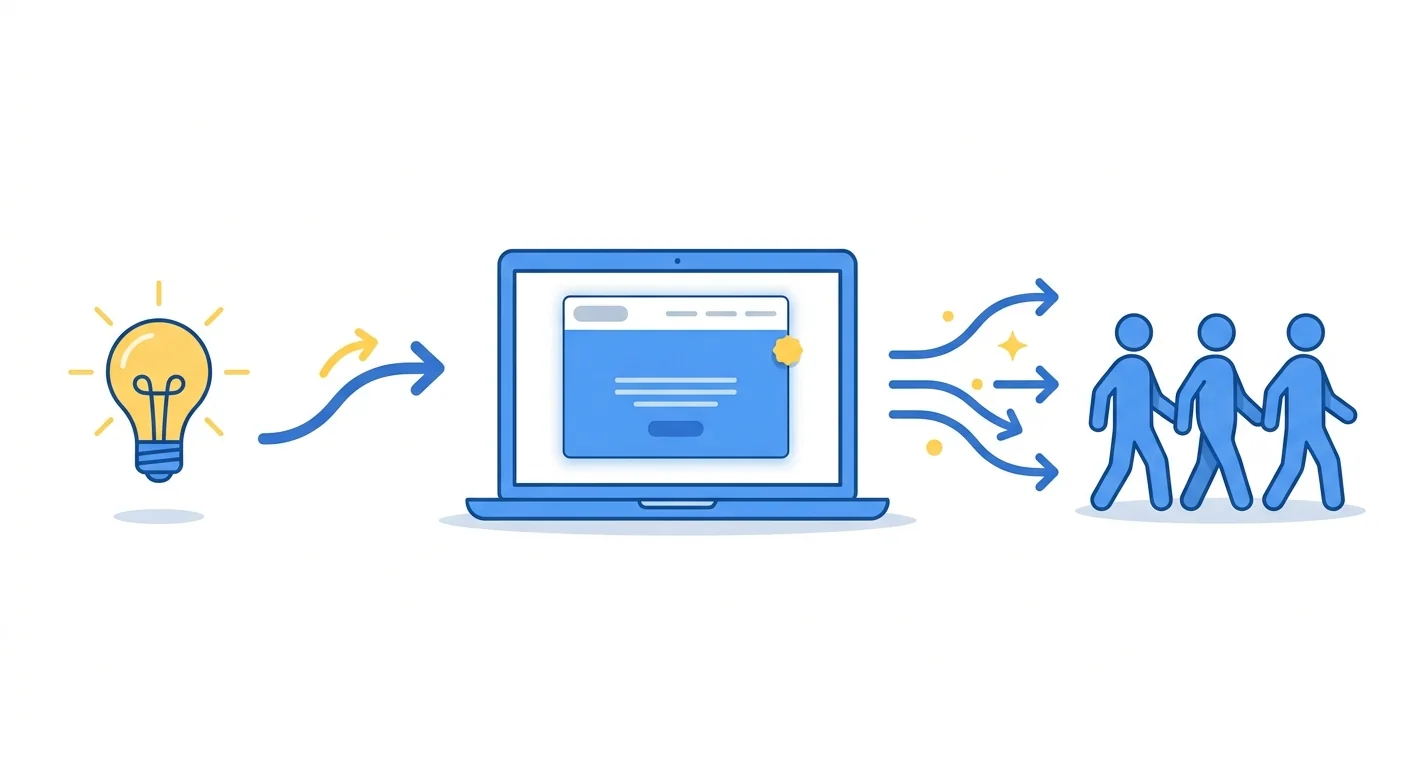
Startup Product Validation: How to Test Your Product Idea After Validation
Most founders do one thing really well. They spend months building something that nobody actually needs. This is where startup product validation becomes critical. Validation is not the finish line. It is the starting point for real execution.
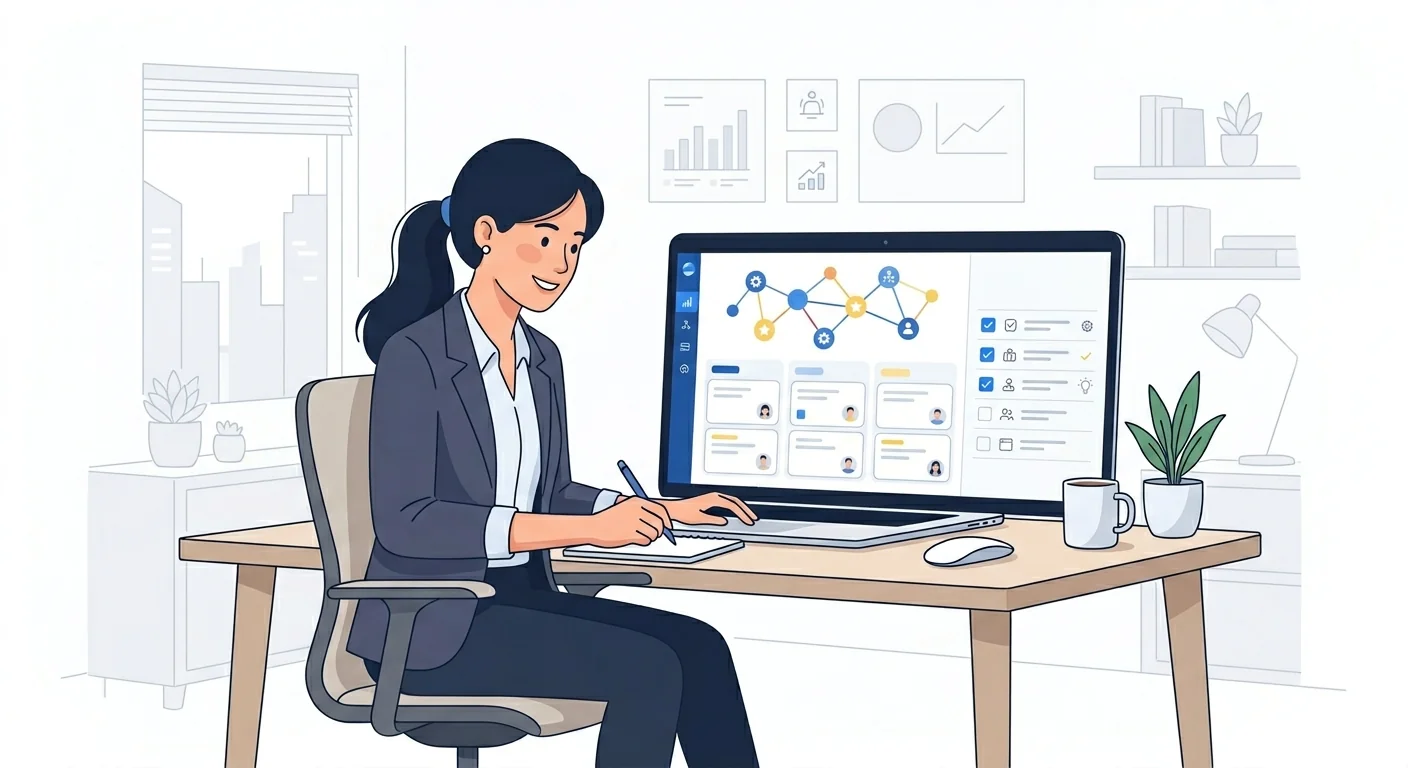
Startup Validation Checklist for First-Time Founders
Most founders think the hard part is over once they validate their startup idea. In reality, this is where things often go wrong. A clear startup validation checklist helps you move from idea validation to execution with better decisions.

Startup MVP Guide: How to Build and Launch Your Minimum Viable Product
Most founders do not fail because their idea is bad. They fail because they spend months building the wrong product. This startup MVP guide will help you think differently and build the smallest version that solves a real problem.
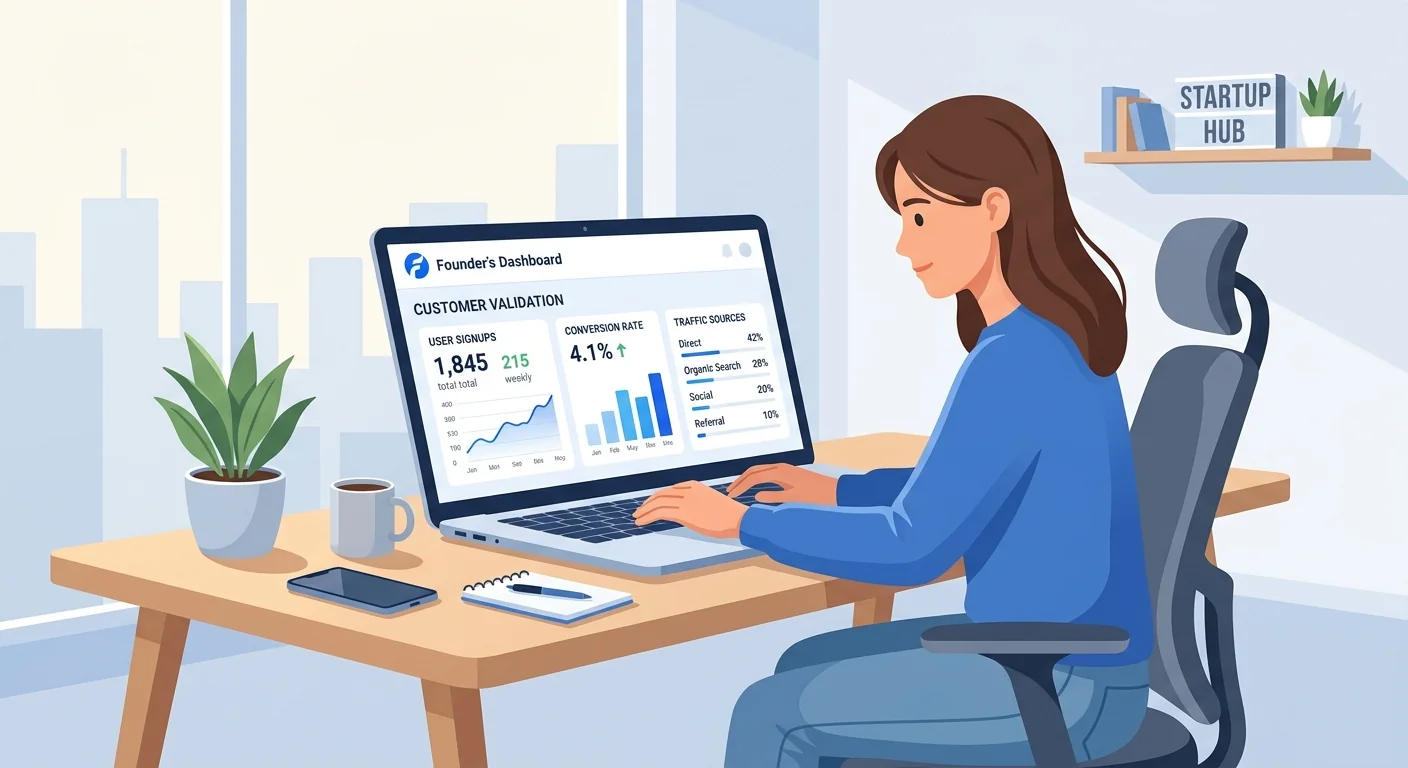
Customer Validation for Startups: How to Confirm Market Demand
Most startups do not fail because of poor execution. They fail because no one truly needs what they are building. Customer validation helps founders move from assumptions to real evidence before investing time and money.
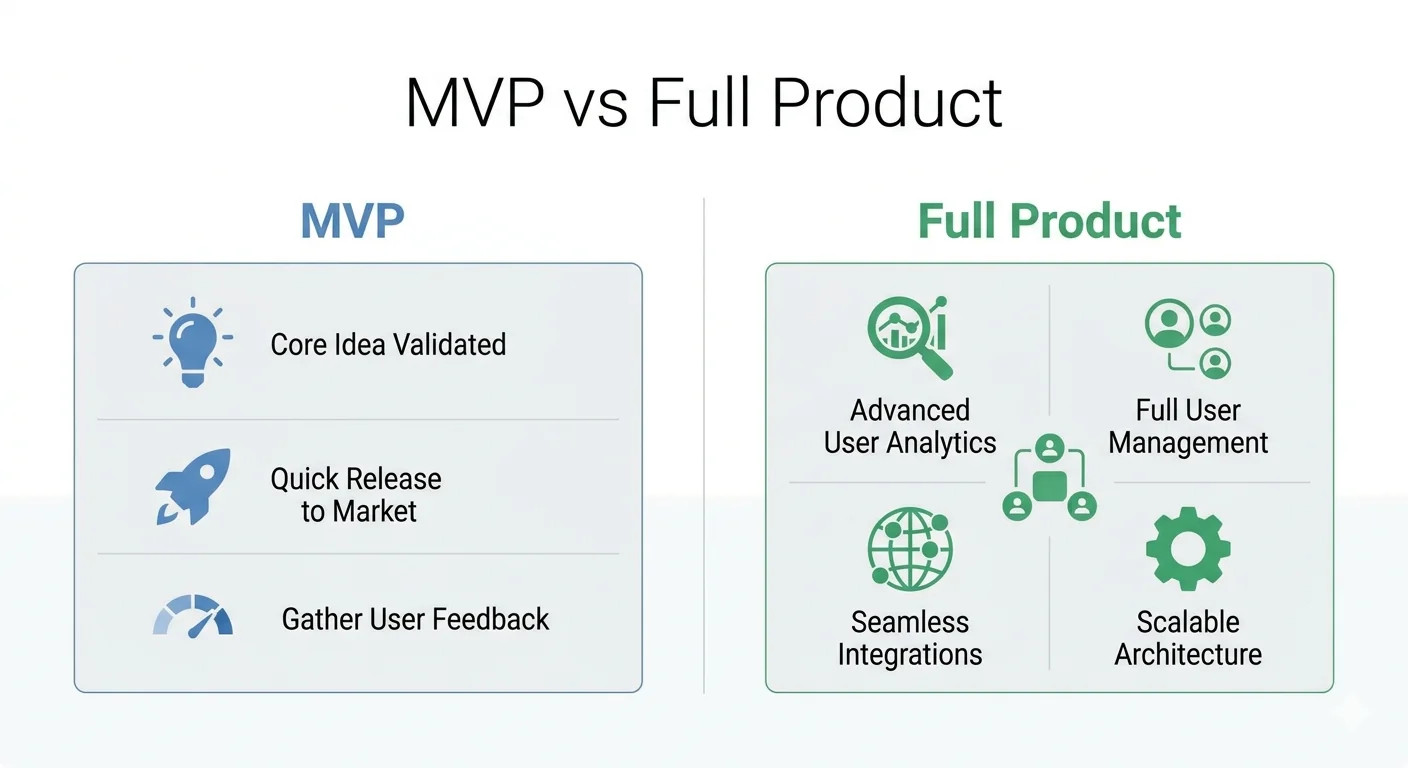
How to Build an MVP for Your Startup: A Step-by-Step Guide
Starting a startup is exciting, but many founders spend months building a full product, only to realize that users don't actually need it. An MVP helps you validate your idea before investing too much time and money while gathering feedback early.
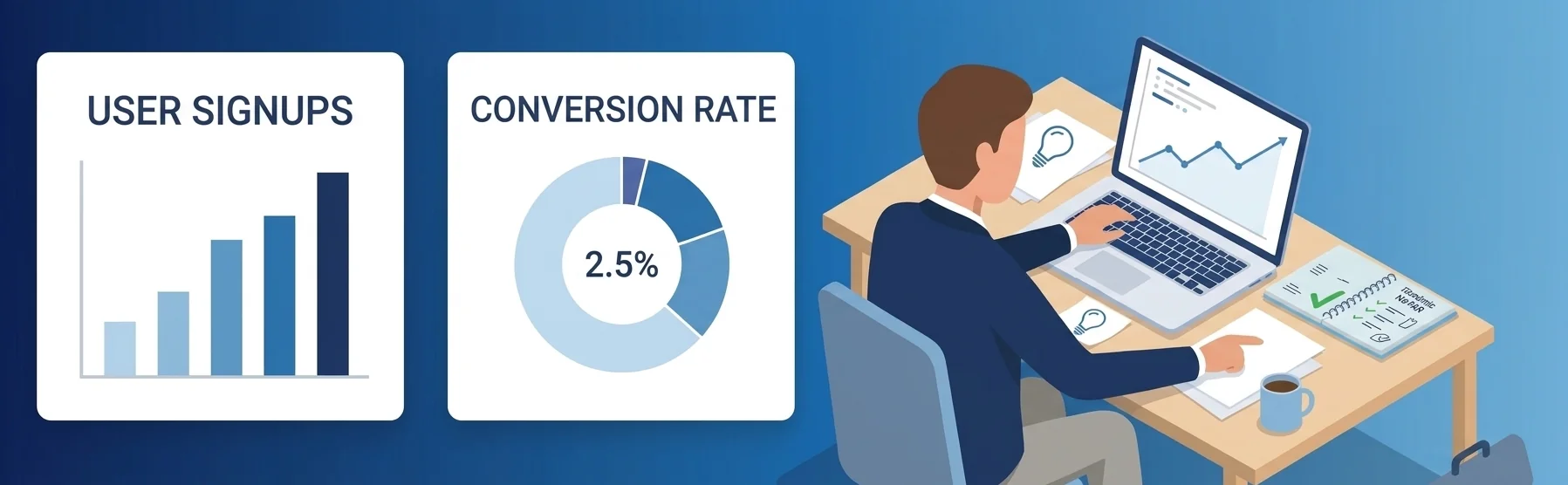
How to Test a Startup Idea Before You Build Anything (Step-by-Step Guide)
Most startup ideas fail because no one actually needs them. Before you invest your time, money, or energy, you need to test your startup idea the right way. This isn't about guessing, it's about getting real signals from real people.

How to Validate a Startup Idea Using Proven Methods
Most startup ideas don't fail because they're bad. They fail because they were never properly validated. Real validation means getting proof, clear signals that your idea solves a real problem and people actually want it.
How to Validate Your Startup Idea Before Launch
Starting a startup sounds exciting, but most startup ideas fail because they are not validated properly. Many founders jump straight into building a product without knowing if there is real demand.
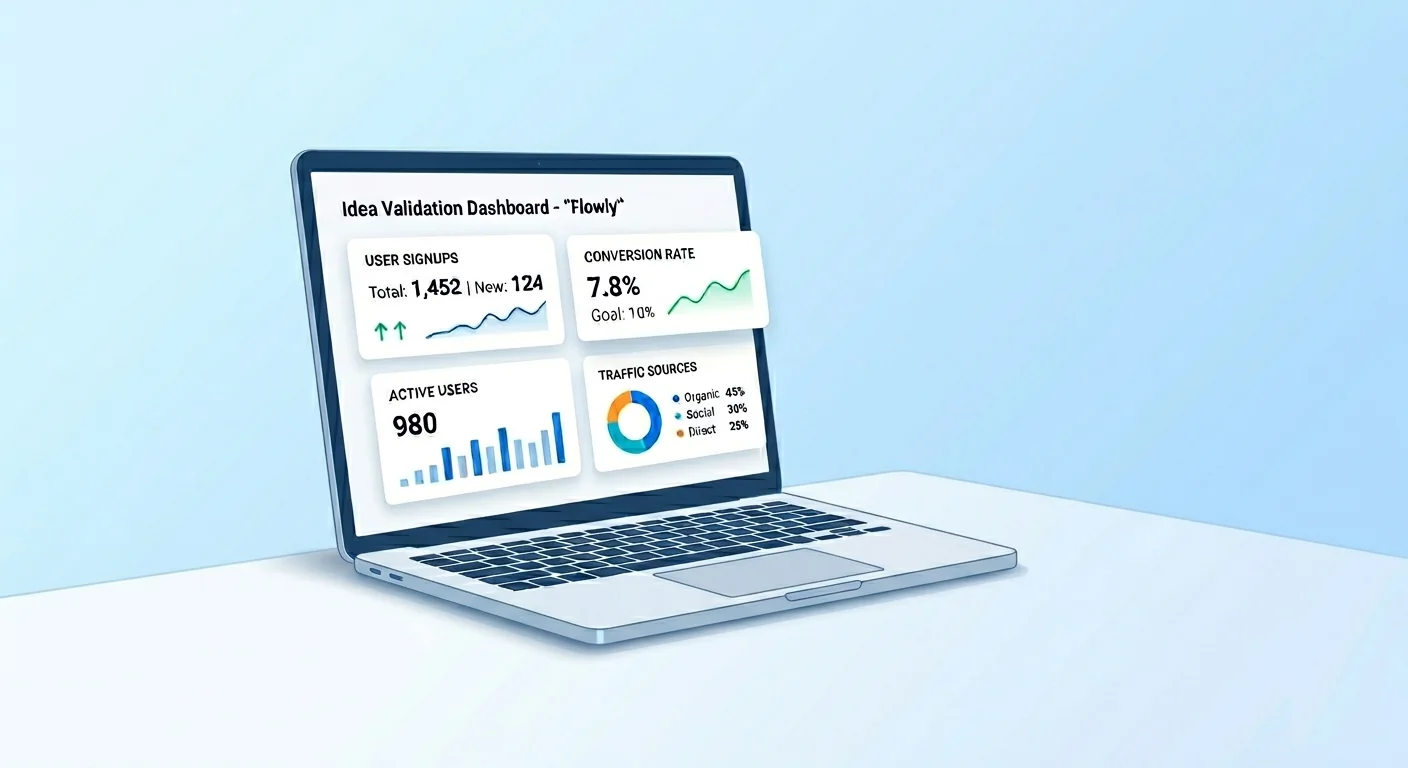
Top Startup Idea Validation Methods Every Founder Should Know
Most startup ideas don't fail because they're bad. They fail because they were never properly validated. Validation is not about guessing or trusting your instincts, it's about testing your assumptions in the real world.