How to Test a Startup Idea Before You Build Anything (Step-by-Step Guide)
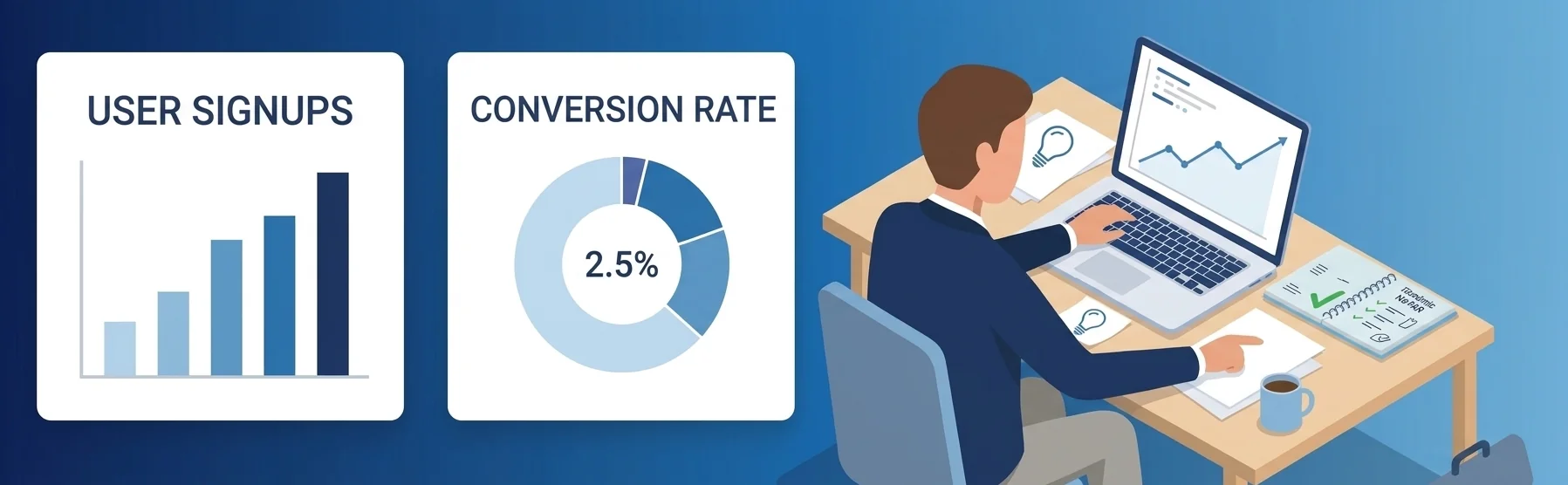
Most startup ideas don't fail because they're bad. They fail because no one actually needs them. That's the hard truth most founders learn too late.
Before you invest your time, money, or energy, you need to test your startup idea the right way. This isn't about guessing, it's about getting real signals from real people.
In this guide, you'll learn how to test a startup idea step by step, validate demand, and make smarter decisions before you build anything.
What Does It Mean to Test a Startup Idea?
Testing a startup idea simply means checking if your idea actually solves a real problem for real people. It's not about whether you think it's good. It's about whether others care enough to use it, or even pay for it.
Validation is the process of collecting real-world proof before you build anything. You're trying to answer one simple question: Is there real demand for this, or is it just an assumption?
An idea on paper always looks promising. But a startup idea only becomes valuable when people show interest, provide feedback, or take action. That's the difference between an idea and actual demand.
You don't need a full product to test this.
You can validate your startup idea by talking to potential users, understanding their pain points, and seeing how they respond to your solution.
Testing early saves you from building something no one wants.
Why Most Startup Founders Fail Without Validation
Most startup founders don't fail because they lack skill or effort. They fail because they start building too early.
It usually goes like this. You get a big idea, feel excited, and jump straight into product development. Weeks turn into months. Features get added. Time and money go in. But when you finally launch, there's little to no response.
No users. No traction. No demand.
Most founders skip this step. They assume people will buy the product just because it sounds useful. But assumptions don't build businesses. Real demand does.
Without validation, you're guessing. And guessing is expensive.
You might build something no one needs, target the wrong audience, or miss the actual pain points that matter. That's why so many startups fail within the first year.
Testing your startup idea early helps you avoid all of this. It gives you clarity before you invest deeply so you can move forward with confidence instead of hope.
Start With a Problem, Not Just a Big Idea
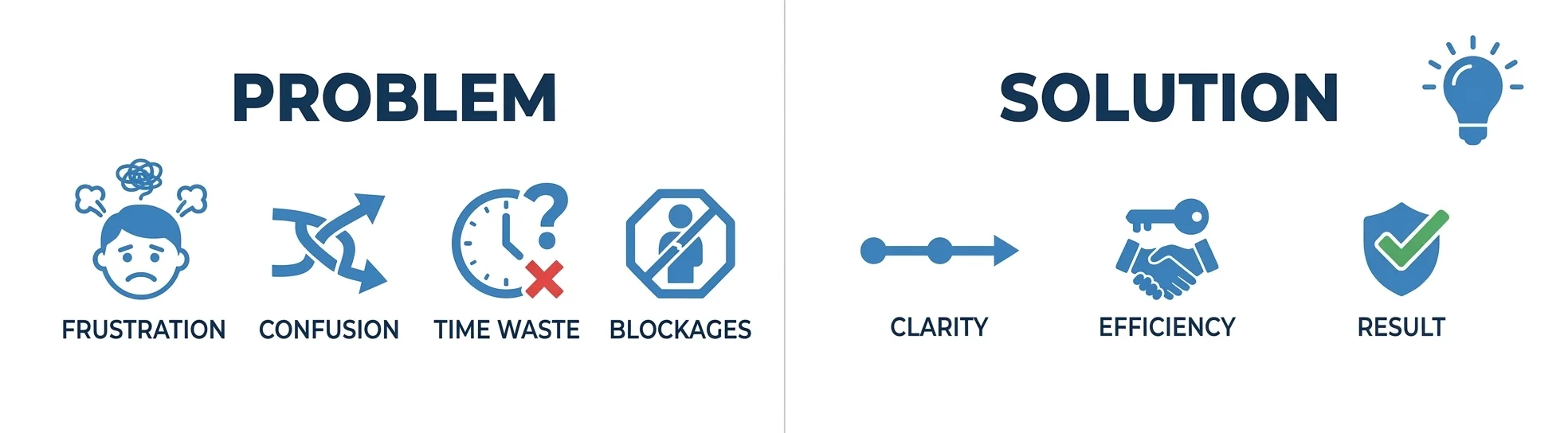
Every startup begins with a big idea. But here's the catch, ideas don't matter unless they solve a real problem.
Start with a problem.
That's where strong startup ideas come from. Instead of thinking, "This would be cool to build," ask yourself, "What problem am I solving, and who actually cares?"
If you can't clearly identify problems, your idea is still too vague. You need to dig into real pain points, things that frustrate people, waste their time, or cost them money. These are the signals of real opportunity.
Next, focus on your target audience. Who is facing this problem regularly? Be specific. A clear target audience helps you test smarter and faster.
Go one step deeper and define your ideal customer profile. This means understanding their behaviour, needs, and what they're currently using to solve the problem.
The goal here is simple. Don't fall in love with the idea. Focus on the problem and the people behind it.
That's how you validate your idea before you build anything.
Who Is Your Target Market and Ideal Customer?
Once you've identified the problem, the next step is to get clear on who you're solving it for. This is where many founders get vague, and that's a mistake.
Your target market is the broader group of people who might need your solution. But your focus should be on specific target customers, the ones most likely to use and pay for your product.
Think about your potential users. Who faces this problem often? Who is actively looking for a solution? A potential customer who is already trying to solve the problem is far more valuable than someone who might be interested.
Now, look at the numbers. Is there a large enough market to build a business around? This is where you estimate your total addressable market. It doesn't have to be massive in the beginning. But it needs to be real.
But don't get lost in big numbers.
A smaller, focused group of ideal customers is far more valuable in the early stage than trying to target everyone. If you're clear on who you're building for, your testing becomes much more effective.
Clarity here makes every next step easier, from testing to building to selling.
Step-by-Step: How to Test a Startup Idea
Now let's get practical. This is the part most founders rush, but it's where real clarity comes from.
If you're serious about learning how to test a startup idea, follow this simple process.
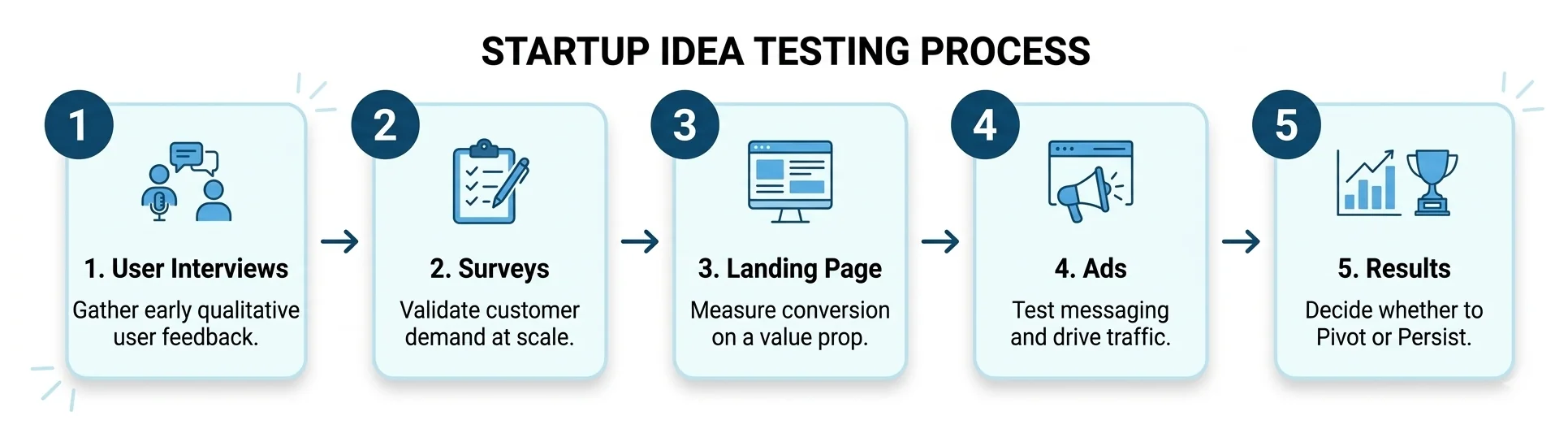
Step 1: Talk to Users (User Interviews)
Start with conversations. Reach out to people who match your ideal customer profile and talk to them directly.
Ask about their problems, current solutions, and frustrations. Don't pitch your idea right away. Just listen.
Your goal is to identify problems, understand pain points, and see if your idea actually fits their needs. These early insights often shape everything that comes after.
Step 2: Run Surveys & Focus Groups
Once you've had a few conversations, validate your assumptions at scale.
Create short surveys and share them with your target customers. You can also run small focus groups to go deeper into discussions.
Ask simple questions:
- How are you solving this problem today?
- What do you dislike about current options?
- Would you try a better solution?
This helps you get feedback from a wider group and refine your idea before moving forward.
Step 3: Create a Simple Landing Page
You don't need a full product yet. A basic landing page is enough.
Explain your value proposition clearly. Show what your product or service does and how it helps. Add a strong call to action:
- Join the waitlist
- Sign up for early access
If people are willing to share their email, it's a strong signal of interest. This is one of the fastest ways to validate demand.
Step 4: Run Ads (Facebook Ads, Google Ads, Meta Ads)
Now drive traffic to your landing page.
Use Facebook Ads, Google Ads, or Meta Ads to reach your target audience. Start small. Even a small budget can give useful insights.
You'll quickly learn:
- Are people clicking?
- Are they interested enough to sign up?
- Does your messaging connect?
This is real market validation, not guesswork.
Step 5: Measure Interest (Metrics That Matter)
Finally, track what matters.
Don't just look at clicks. Focus on meaningful signals:
- Email signups
- Cost per signup
- Conversion rate
These numbers tell you if there's actual demand for your product ideas.
If people are signing up, you're on the right path. If not, don't panic, refine your idea or pivot early.
That's the real purpose of testing startup ideas.
Use Landing Pages to Validate Demand Quickly
A simple landing page can tell you more about your startup than weeks of planning.
Here's the idea. Instead of building the full product, you create a basic page that explains your solution and who it's for.
Then add one action.
Usually, that's an email signup or a waiting list.
If people are willing to leave their email, it shows interest. But don't stop there. You can go one step further and test if people are willing to pay or pre-order.
This is where you start seeing real signals.
Would people buy your product, or are they just curious?
A landing page helps you answer that quickly. You can share it in communities, post it on LinkedIn, or drive traffic through ads.
If no one signs up, don't ignore it. That's feedback. Refine your message, adjust your idea, and test again.
This is how you validate demand without wasting time building something too early.
MVP: The Fastest Way to Validate Your Idea
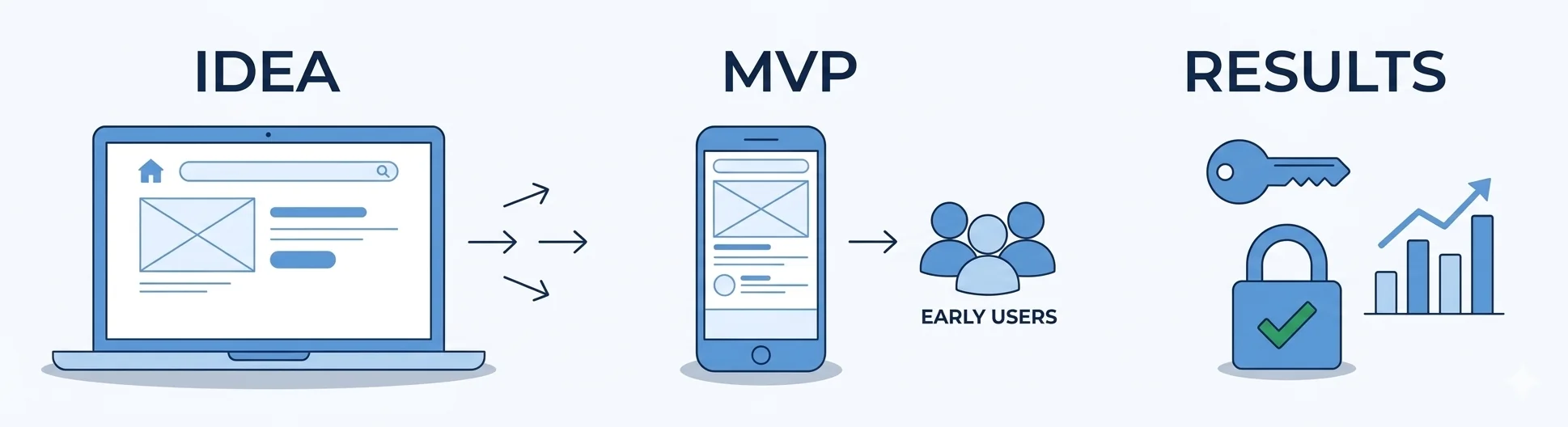
At some point, you'll need more than conversations and a landing page. That's where an MVP comes in.
An MVP (Minimum Viable Product) is the simplest version of your product that solves the core problem. Not perfect. Not feature-heavy. Just enough to test your idea with real users.
Think of it as a working experiment.
One of the best examples is Dropbox. Before building the full product, they created a simple video showing how it would work. That video generated thousands of signups, proving demand before a single line of code was written.
Your MVP can be:
- A basic app
- A manual service
- Even a simple demo or prototype
The goal is to test with early adopters, people who are actively looking for a solution. These users become your first testers and provide the most valuable feedback.
Watch how they use it. Where do they struggle? What do they like?
That feedback helps you refine your idea quickly. If needed, you can pivot before investing more time.
A strong MVP doesn't prove your product is perfect. It proves your idea is worth building.
How AI Tools Can Help You Test Ideas Faster
You don't need a big team to test a startup idea any more. Using AI tools, you can move faster than ever.
You can create landing pages, write content, design ads, and even build basic prototypes in hours instead of weeks. This speeds up every step of the validation process.
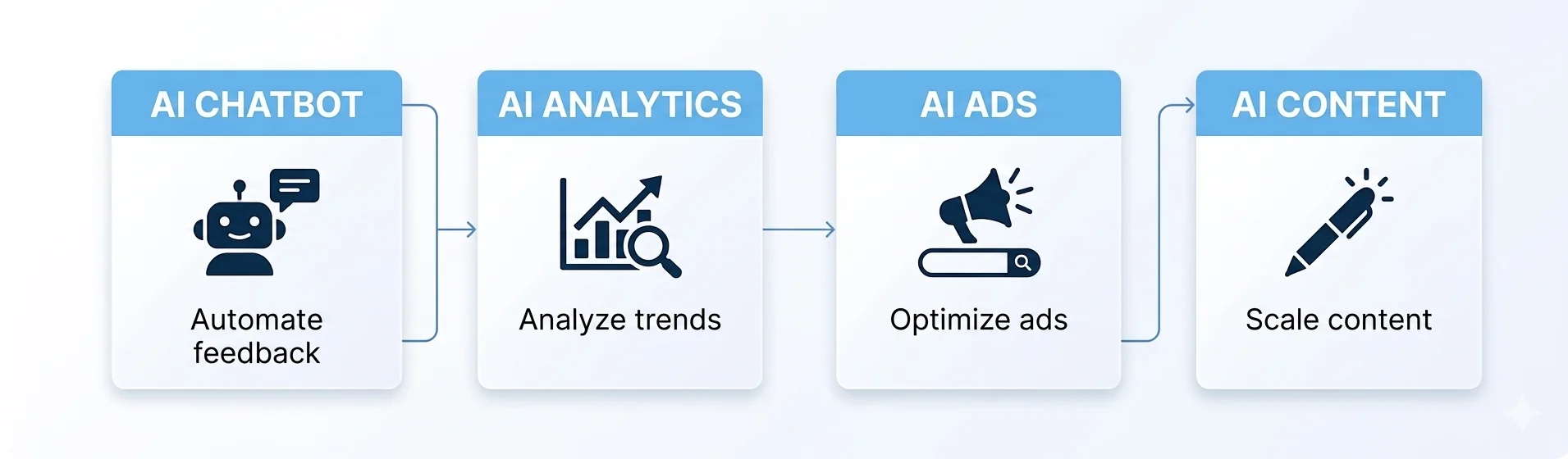
For example:
- Use AI tools to generate landing page copy
- Create ad creatives for Facebook ads or Google Ads
- Build simple mockups for your product ideas
- Analyse feedback and improve your messaging
This is especially useful if you're building an AI business or experimenting with an AI brand. You can quickly test multiple directions without a large investment.
👉 Join our Founder Partnership Program
Once you've tested your idea and see real interest, you can move forward with structured support like a Founder Partnership Program.
AI won't replace validation, but it will speed up how you develop and test your idea.
The faster you test, the faster you learn.
Common Mistakes Founders Make During Validation
Validation sounds simple, but most founders get it wrong in a few predictable ways.
The first mistake is ignoring feedback. You ask people for their opinion but only hear what you want to hear. If users say they wouldn't use it or don't see the value, that's not negativity, it's insight.
The second mistake is testing the wrong audience. Friends, family, or random users are not your target customers. You need feedback from people who actually face the problem.
And then there's the big one.
Falling in love with your idea.
This constantly happens. You get attached, and instead of testing objectively, you try to prove yourself right. That's not validation. That's confirmation bias.
Stay flexible. Be ready to refine, adjust, or even pivot if needed.
The founders who succeed are the ones who listen, adapt, and keep moving based on real feedback, not assumptions.
How to Know If Your Startup Idea Is Worth Pursuing
At some point, you need to decide. Keep going, refine, or walk away.
So how do you know your startup idea is actually worth it?
Start by looking at demand signals. Are people signing up on your landing page? Are they replying to your messages, asking when your product will be ready, or sharing it with others?
The real test is simple.
Are people willing to pay?
Even a few paying customers can validate your direction. It shows that your idea solves a problem strong enough for someone to spend money on.
Also, pay attention to behaviour. Are users coming back? Are they recommending it to others? These are early signs of market fit.
But if interest is low, or people like the idea but won't buy your product or service, don't ignore it.
That's when you need to pivot.
Adjust your messaging, change your target customers, or rethink the solution. Sometimes small changes make a big difference.
The goal isn't to prove your idea right. It's to find something people actually want, and are willing to pay for.
FAQ: Startup Idea Validation
How do I validate a startup idea with no money?
Start simple. Talk to potential users, run free surveys, and share your idea in communities. You don't need a big budget to get early feedback.
How long should validation take?
It depends, but most early validation can happen in 2–4 weeks. You're not trying to be perfect, you're trying to learn fast.
What if people like the idea but don't pay?
That's a warning sign. Interest without action often means the problem isn't painful enough or your solution isn't compelling enough.
Do I need an MVP to validate my startup idea?
Not always. You can validate your startup idea through conversations, surveys, and a landing page before building anything.
Key Takeaways
- Don't start building your startup too early, test your startup idea first
- Validation is the process of proving real demand, not relying on assumptions
- Start with a problem and focus on clear pain points
- Define your target market and ideal customer before testing
- Use simple methods like user interviews, surveys, and a landing page
- An MVP helps you test with early adopters and refine your idea
- Look for real signals like signups, engagement, and paying customers
- Be ready to pivot if the demand isn't strong enough
Ready to Move Forward?
Once you've tested your startup idea and seen real interest, the next step is building it the right way.
Instead of figuring everything out alone, you can move faster with the right guidance, structure, and support. That's what a Founder Partnership Program is designed for.
👉 Join our Founder Partnership Program
Join our Founder Partnership Program and start building your startup with confidence.
Related articles




Nuno Dhiren
Founder, Internwise
You've learned how to validate your startup idea. Now it's time to build it the right way. Our Founder Partnership Program gives you structured guidance, expert mentorship, and a clear roadmap to turn your validated idea into a real, profitable business.
Join other ambitious founders who are building sustainable startups from day one.