Internwise Blog
Practical advice, industry insights, and career guidance for graduates and employers navigating the internship landscape.
More Articles

Best Websites for Internships in the UK: Where Startups and Employers Should Post
A founder-friendly guide to the best websites for internships in the UK, including where startups should post, what to look for in each platform, and how to attract stronger early-career applicants without wasting time on low-quality listings.

Internship Websites: How to Choose the Right Platform for Hiring Interns
A practical UK guide to internship websites for founders and employers. Learn how to compare platforms, avoid common hiring mistakes, and choose the right route for structured intern recruitment.

Startups Internships: A Practical Guide for UK Founders
A founder-friendly guide to using startups internships to add capacity, test future hires, and build a stronger early talent pipeline in the UK.

Startup Intern: What They Do and How to Hire One for Your Business
A founder-friendly UK guide to hiring a startup intern. Learn what the role involves, when it makes sense, what tasks they can handle, and how to structure the hire to reduce risk and improve outcomes.

Internships in Startups: A Practical Guide for Founders and Early-Career Talent
A practical guide to internships in startups, including what they involve, how they differ from larger-company internships, and how founders can structure them well. Learn how to reduce risk, attract strong candidates, and use internship hiring as part of a longer-term talent strategy.

Startup Founder Learning Programme: What It Is and Why It Matters for UK Startups
A practical guide to startup founder learning programmes for UK startups. Learn how they support better delegation, smarter early hiring, and lower-risk decisions when bringing in interns or graduates.

Work with an Entrepreneur: A Founder-Friendly Guide to Startup Roles
Learn what it means to work with an entrepreneur, who it suits, and how interns and graduates can add real value in a startup. A UK-focused guide for candidates and founders.

Startup Founder Guidance: How to Make Smarter Early Hiring Decisions
A practical UK guide for startup founders on making better early hiring decisions through internships, graduate hires, and structured talent support.

Founder Coaching for Startups: How It Supports Better Hiring Decisions
Learn how founder coaching helps UK startup founders make clearer, lower-risk hiring decisions when bringing in interns or graduates, and how Internwise supports structured early talent planning.

Startup Mentors: What They Do and Why Early-Stage Founders Need Them
A founder-friendly guide to startup mentors, how they support early-stage decisions, and why structured mentoring can help UK founders hire interns and graduates with more confidence.

Entrepreneur Mentor Programme: What It Is and Why Startups Use It
A founder-friendly UK guide to entrepreneur mentor programmes, including how they support hiring decisions, reduce overwhelm, and help startups grow with more structure.

Startup Mentoring Programme: What It Is and How It Helps Early-Stage Businesses
A founder-focused guide to startup mentoring programmes for UK early-stage businesses. Learn how mentoring can reduce hiring risk, support interns and graduates, and help founders make clearer growth decisions.

Founder Mentorship Programmes: A Practical Guide for UK Startups
Learn what founder mentorship programmes are, how they support early-stage UK startups, and how structured mentorship can reduce hiring risk while improving growth decisions.

Founder’s Intern: What It Is and How Startups Can Use It Well
A practical guide for UK founders on what a founder’s intern does, when the role makes sense, how to structure it, and how to hire with less risk.

What Is a Founding Intern? A Founder’s Guide to the Role, Value, and Setup
A founder-friendly guide to the founding intern role in UK startups, including when to hire, what the role can cover, how to structure it responsibly, and how Internwise helps founders recruit early-stage talent with less risk.

Product Market Fit Validation: How Startups Can Test Demand Before They Scale
A founder-focused guide to product market fit validation, with practical ways to test demand, read the right signals, and avoid premature hiring decisions before scaling.

Startup Testing Methods: How Founders Validate Ideas Before They Commit
A founder-friendly guide to startup testing methods that help UK startups validate ideas, features, offers, and hiring assumptions before committing time or budget.

Startup Validation Tools: How Founders Test Ideas, Demand, and Hiring Needs
A practical guide to startup validation tools for UK founders who want to test demand, reduce risk, and make smarter early hiring decisions before committing time and budget.

Startup Validation Examples: How Founders Test Demand Before They Build
A practical guide to startup validation examples for UK founders. Learn how to test demand with real signals, avoid weak assumptions, and use validation to make smarter early hiring decisions.

Startup Validation Framework: How Founders Test Ideas Before They Commit
A practical guide to the startup validation framework for UK founders who want to test ideas, reduce risk, and make smarter early hiring decisions before committing time or budget.

Early Stage Startup Validation: How Founders Test Demand Before They Scale
A founder-focused guide to early stage startup validation for UK startups. Learn what to test before hiring, spending heavily, or scaling too fast, and how Internwise can support structured early hiring decisions.

Demand Validation for Startups: How to Test Real Market Need Before You Hire
Learn how to validate startup demand before you hire, build, or commit budget. This founder-focused guide covers signals to look for, practical tests to run, and when to bring in support through Internwise.

Market Validation for Startups: How to Test Demand Before You Scale
A founder-friendly guide to market validation for startups, covering the signals that show real demand, low-cost ways to test an idea, and the mistakes that can lead founders to build too early. Learn how validation supports smarter hiring and growth planning in the UK.
Step-by-Step Startup Validation
A practical guide for UK founders who want to test an idea before they spend heavily on product, hiring, or marketing. Learn how to validate the problem, the audience, the solution, and the market with low-cost experiments that reduce risk and improve decision-making.

Where to Start with Startup Validation
A founder-friendly guide to startup validation for early-stage UK teams. Learn what to test first, how to check demand quickly, and how to reduce risk before building or hiring.

Startup Internship Application Guide
A practical UK-focused guide for startup founders and early-stage employers on creating clearer internship applications, screening candidates efficiently, and attracting motivated students and graduates. Learn what strong applications look like, what to define before you review them, and how Internwise helps structure internship hiring.

How to stand out in a startup internship interview
Practical advice for candidates preparing for startup internship interviews, with tips on showing initiative, adaptability, commercial awareness, and clear communication in an early-stage setting.
Startup Internship Interview Tips
A practical guide for founders and hiring managers on running structured, fair, and low-risk internship interviews that help you assess potential, not just polish.

Startup Internship Application Tips
A practical UK guide for startups on writing clearer internship applications, setting realistic expectations, and attracting stronger candidates without adding hiring risk.
What startups look for in interns
A founder-friendly guide to the traits, skills, and signals startups value most in interns, plus practical hiring advice for reducing risk and improving fit.

Startup internship hiring process: a practical guide for founders
A founder-friendly guide to the startup internship hiring process for UK employers. Learn when internships make sense, how to define the role, source candidates, run efficient interviews, and onboard interns well.

How Startups Hire Interns
A founder-focused guide to hiring interns in the UK, from defining the role and writing a clear brief to screening candidates, onboarding well, and helping interns make an impact quickly.

Skills You Gain Working at a Startup
A practical guide to the skills people build in startup roles, from adaptability and communication to commercial awareness and ownership. Useful for interns, graduates, founders, and employers hiring early talent in the UK.

Startup vs Corporate Career: Which Path Fits Your Goals?
A practical UK-focused comparison of startup and corporate career paths, covering learning speed, structure, risk, culture, salary trade-offs, and long-term growth for early-career talent and the employers who hire them.

How to Build a Career at a Startup
Learn how to build a career at a startup by choosing the right environment, learning quickly, taking ownership, and growing with the business over time.

Startup work experience for graduates UK: what it is and how to make it count
A practical guide for UK graduates considering startup work experience, plus advice for founders who want to turn early talent into a low-risk, high-value hire.

What It Means to Work Alongside a Startup Founder
A practical guide to working closely with a startup founder in the UK: what the role looks like, what founders should hire for, how responsibilities change, and how interns or graduates can support growth from day one.

Startup founder mentorship program UK: what it is and how to choose the right one
A practical guide for UK founders explaining what a startup founder mentorship programme is, who it helps, and how to choose structured support that improves decisions, hiring, and growth.

How to Get Mentored by a Founder
A practical UK guide for students and graduates on how to get mentored by a founder, where to meet the right people, and how to build a credible relationship that can grow over time.

Founder Mentorship Experience: What It Is and Why It Matters for Early-Stage Growth
A practical guide for UK founders on what a founder mentorship experience involves, how it supports better hiring and growth decisions, and how to choose structured guidance that turns advice into action.

Learn from startup founders: practical lessons for hiring, growth, and better decisions
A practical guide to learning from startup founders without copying blindly. Explore how founders make faster decisions, stay focused under pressure, and apply those lessons to hiring interns, recruiting graduates, and building stronger early-stage teams.

Working Directly with Founders: What to Expect and Why It Matters
A practical guide to working directly with founders in a startup or small business setting. Learn what the relationship looks like, the benefits for interns and graduates, the risks to watch for, and how to structure the role for clear expectations and better hiring outcomes.
How to Work with Startup Founders: What They Need and How to Add Value
A practical guide to working with startup founders, understanding what they value in interns and early-career hires, and building trust, clarity, and momentum in a fast-moving startup environment.
Startup internships for undergraduates: a practical guide for founders and employers
A founder-friendly UK guide to startup internships for undergraduates, including what they involve, why they help early-stage hiring, how to structure them well, and how to avoid common mistakes.

Tech Startup Internship UK: A Practical Guide for Founders and Early-Stage Employers
A founder-friendly guide to tech startup internships in the UK, covering when internships make sense, how to structure a low-risk hire, key UK hiring basics, and how to attract strong early-career tech talent.

Startup internships for graduates: a practical guide for UK startups and early-stage employers
A founder-friendly guide to startup internships for graduates in the UK. Learn how to design a strong internship, set outcomes, pay and supervise fairly, and attract graduates who want real responsibility.
Startup Internship Summer 2025: A Founder’s Guide to Hiring Early Talent
A practical UK guide for founders and small businesses planning startup internship summer 2025. Learn when to recruit, how to define the role, what candidates want, and how to run a low-risk internship hiring process with Internwise.
Early Stage Startup Internship: How to Hire, Structure, and Make It Work
A practical UK guide for founders on when an early stage startup internship makes sense, how to structure it well, and how to use internships to test talent with less risk.

Paid startup internships: what founders and early-stage employers need to know
A practical guide to paid startup internships for UK founders and early-stage employers. Learn how paid roles work, why they attract stronger candidates, and how to design a clear, low-risk internship offer.
Startup Internship Opportunities: A Practical Guide for Startups, Founders and Early-Career Candidates
A founder-friendly guide to startup internship opportunities in the UK, including what they look like, the roles interns can take on, how startups can structure low-risk hires, and what candidates should expect from a strong internship.

Remote Startup Internships: A Practical Guide for UK Founders and Small Businesses
A practical guide for UK founders and small businesses exploring remote startup internships, including when they work, which roles fit best, and how to structure them for better onboarding and supervision.
Startup internships UK: a practical guide for founders and small businesses
A founder-friendly guide to startup internships in the UK, covering when internships make sense, how to structure them well, and how to recruit interns with less risk and more clarity.

Startup internship: what it is and how to set one up
A founder-friendly guide to startup internships for UK employers. Learn when an intern makes sense, how to design a structured role, and the basics of hiring and compliance with less risk.
Paid Founder Internship: What It Is and When It Makes Sense
A practical guide for UK startup founders on what a paid founder internship is, how it differs from a traditional internship, and when it can be a low-risk way to add early-stage talent.
Founder Internship UK: What It Means for Startups and Small Businesses
A practical guide to founder internships in the UK for startups and small businesses. Learn what they are, when they work, how to structure them well, and how Internwise can help you build a low-risk internship pathway.

Startup Founder Work Experience: What It Is and How to Build It
A founder-friendly guide to startup founder work experience, why it matters in early-stage hiring, and how to build it through internships, side projects, accelerators, and startup roles.

Founder Shadowing Program: What It Is and How Startups Can Use It
Learn what a founder shadowing program is, how it works in UK startups, and how to structure it as a low-risk way to assess talent, support development, and improve hiring decisions.

Internship with a Startup Founder: What It Is and How It Works
A founder-friendly guide to internship with startup founder roles in the UK: what interns do, what founders gain, how to set up the experience well, and how to spot a credible opportunity.
Startup Founder Internship: What It Is and How to Make It Work
A founder-focused guide to startup founder internships in the UK: what the role involves, when it makes sense, how to structure it with low risk, and how to recruit the right intern with confidence.
Founder Internship Program: A Practical Hiring Option for UK Startups
A founder-focused guide to Internwise's founder internship program, including what it is, who it suits, how it works, and how it can lower hiring risk for early-stage UK businesses.

Founder internship: what it is and how startups can use it well
A practical guide to founder internships for UK startups and small businesses. Learn when they make sense, what interns can do, how to structure the role, and how to reduce hiring risk.
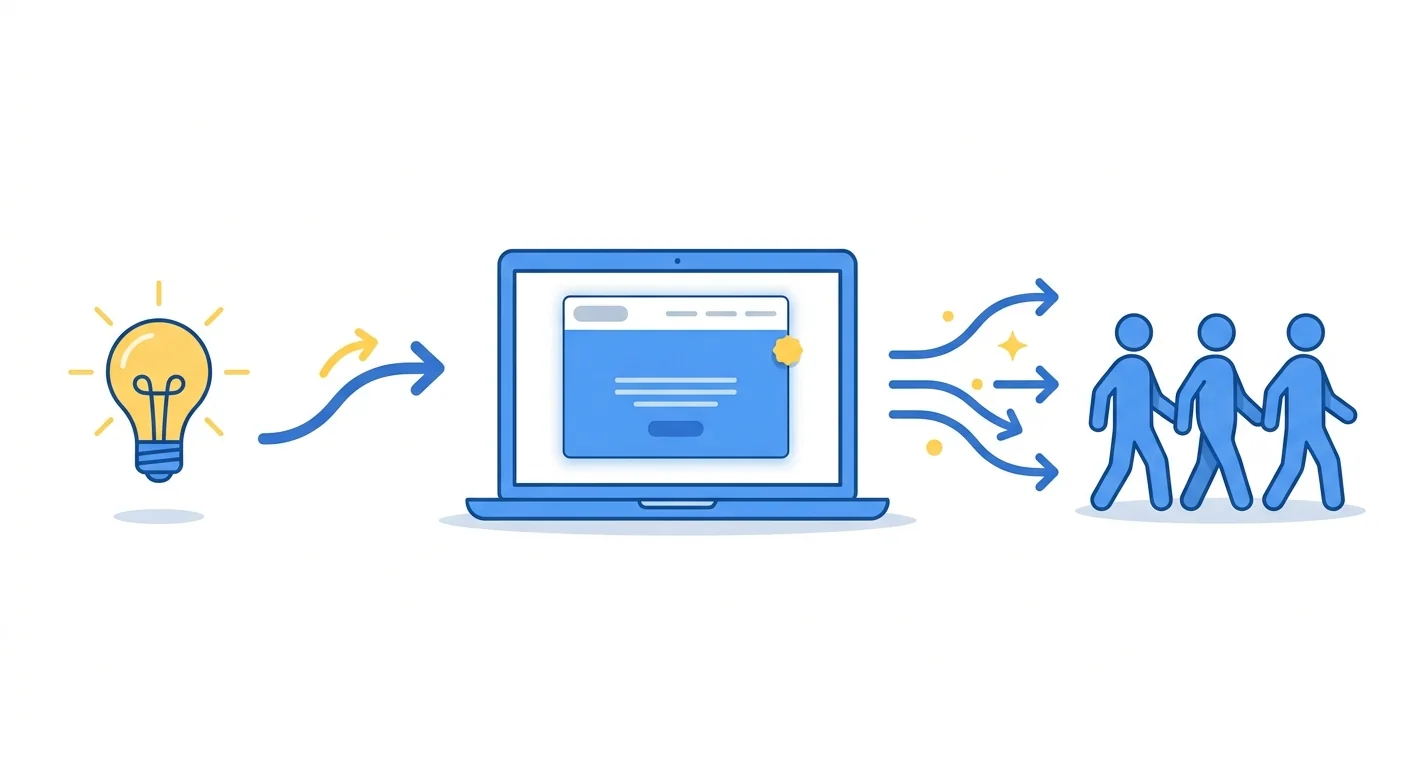
Startup Product Validation: How to Test Your Product Idea After Validation
Most founders do one thing really well. They spend months building something that nobody actually needs. This is where startup product validation becomes critical. Validation is not the finish line. It is the starting point for real execution.

Startup Validation Checklist for First-Time Founders
Most founders think the hard part is over once they validate their startup idea. In reality, this is where things often go wrong. A clear startup validation checklist helps you move from idea validation to execution with better decisions.

Startup MVP Guide: How to Build and Launch Your Minimum Viable Product
Most founders do not fail because their idea is bad. They fail because they spend months building the wrong product. This startup MVP guide will help you think differently and build the smallest version that solves a real problem.

Customer Validation for Startups: How to Confirm Market Demand
Most startups do not fail because of poor execution. They fail because no one truly needs what they are building. Customer validation helps founders move from assumptions to real evidence before investing time and money.
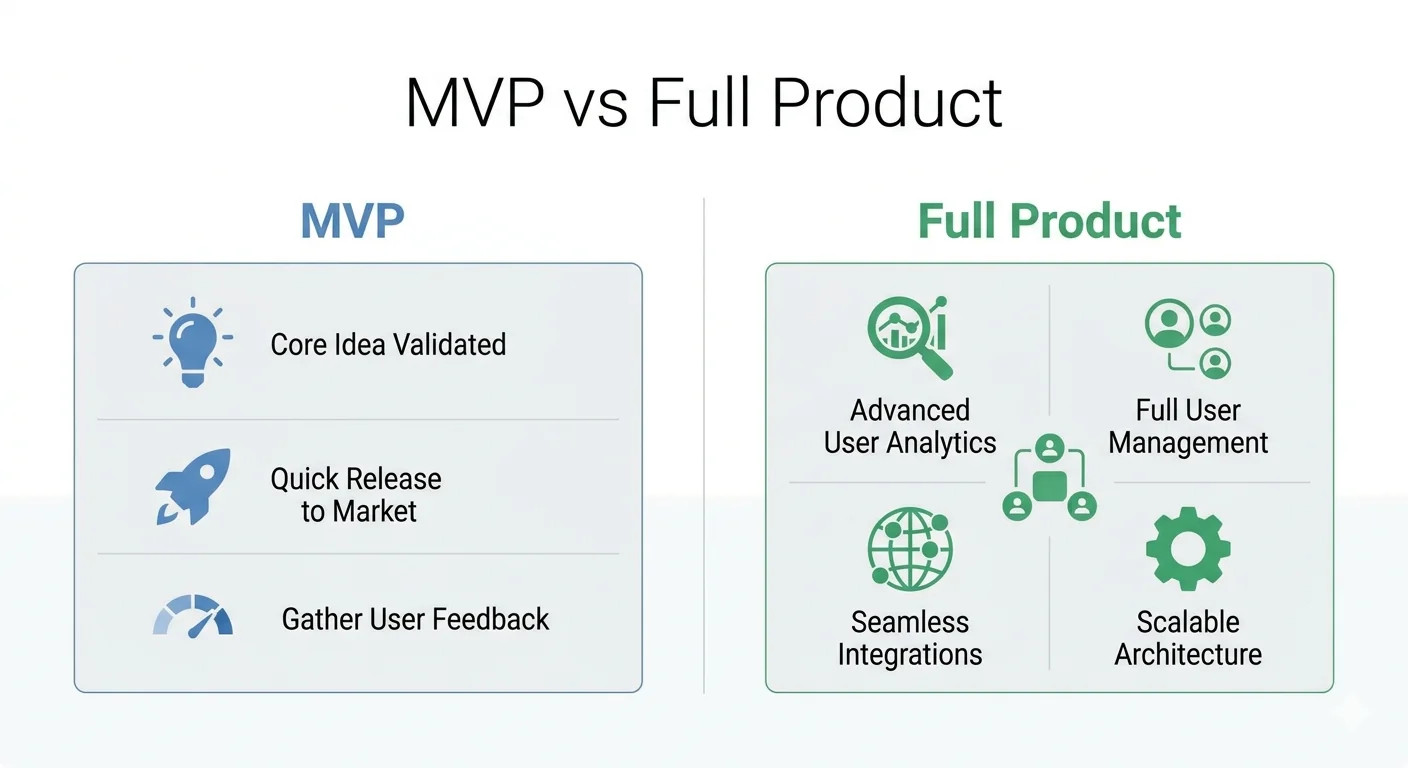
How to Build an MVP for Your Startup: A Step-by-Step Guide
Starting a startup is exciting, but many founders spend months building a full product, only to realize that users don't actually need it. An MVP helps you validate your idea before investing too much time and money while gathering feedback early.
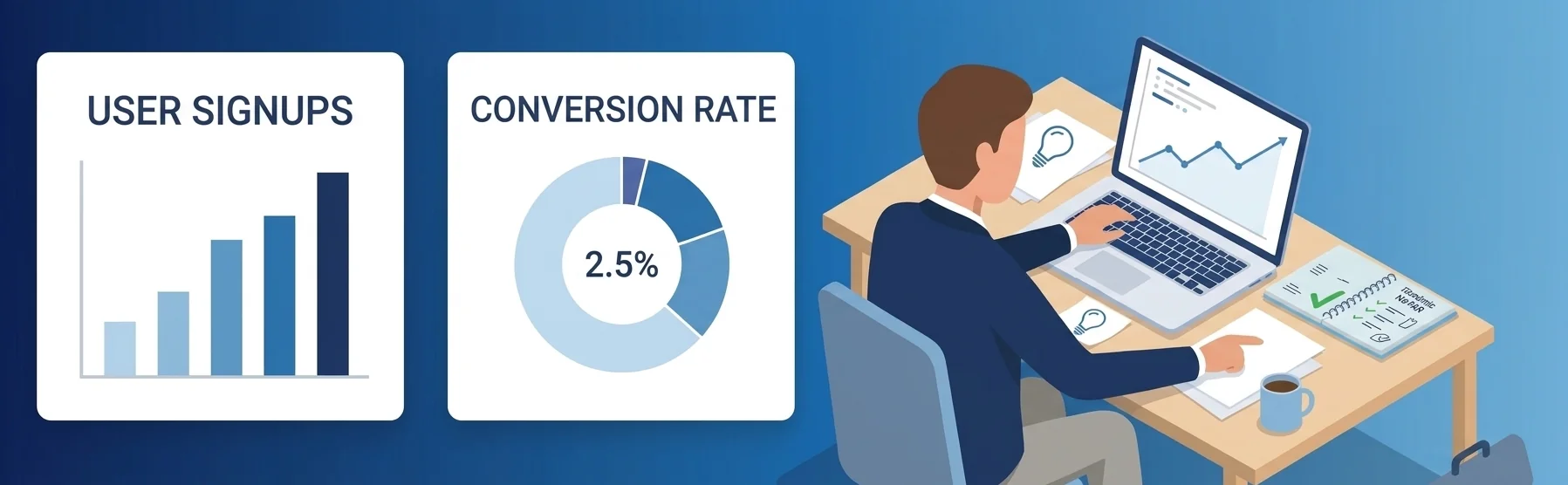
How to Test a Startup Idea Before You Build Anything (Step-by-Step Guide)
Most startup ideas fail because no one actually needs them. Before you invest your time, money, or energy, you need to test your startup idea the right way. This isn't about guessing, it's about getting real signals from real people.

How to Validate a Startup Idea Using Proven Methods
Most startup ideas don't fail because they're bad. They fail because they were never properly validated. Real validation means getting proof, clear signals that your idea solves a real problem and people actually want it.
How to Validate Your Startup Idea Before Launch
Starting a startup sounds exciting, but most startup ideas fail because they are not validated properly. Many founders jump straight into building a product without knowing if there is real demand.

Top Startup Idea Validation Methods Every Founder Should Know
Most startup ideas don't fail because they're bad. They fail because they were never properly validated. Validation is not about guessing or trusting your instincts, it's about testing your assumptions in the real world.