Startup Product Validation: How to Test Your Product Idea After Validation
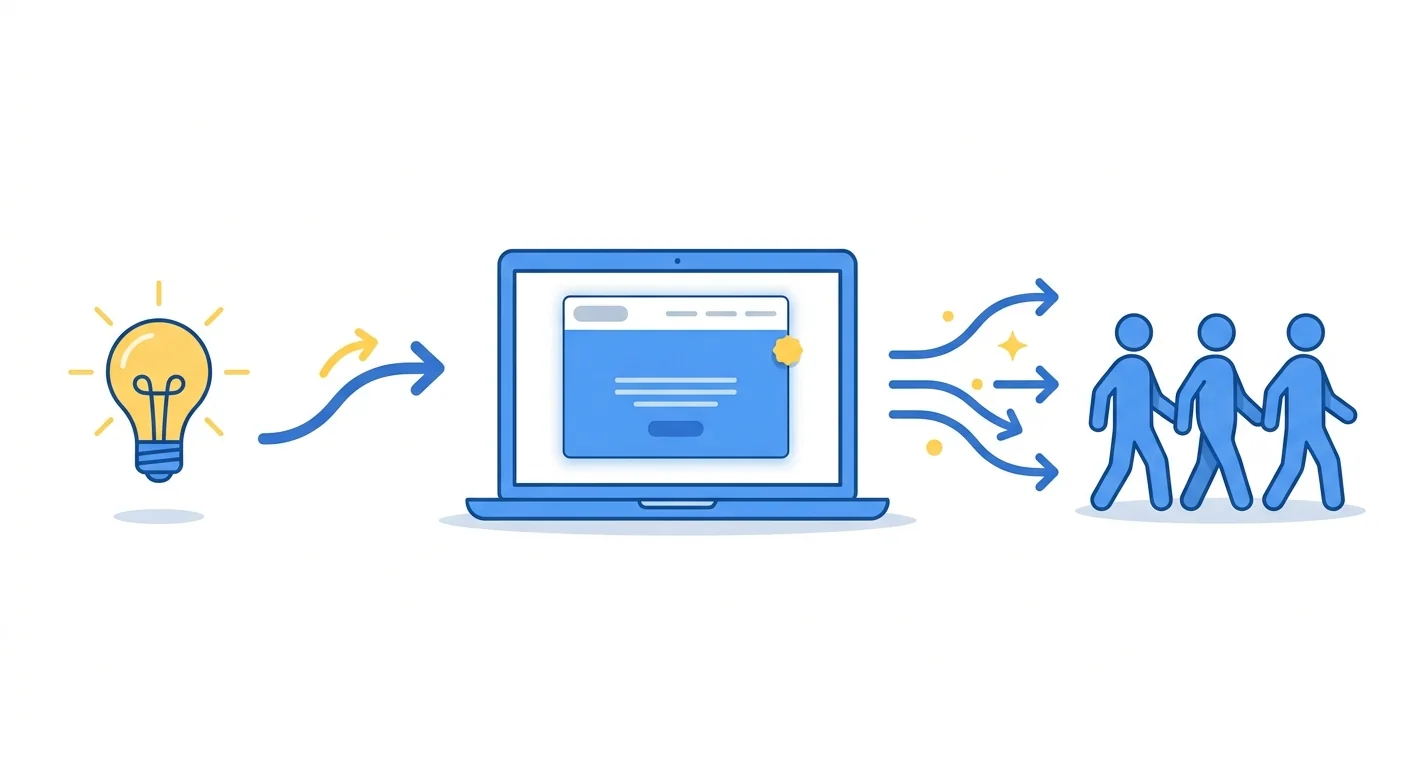
Most founders do one thing really well. They spend months building something that nobody actually needs. It is not because they lack effort. It is because they move too fast from idea to product without thinking about what comes next after they validate their startup idea.
This is where startup product validation becomes critical. Validation is not the finish line. It is the starting point for real execution. Many founders assume that once their idea looks good, the next step is to build a full product. That is where things go wrong. They overbuild, add too many features, and delay getting real feedback from real users.
The smarter path is different. You move from validation to a simple version of your product, then to real users, and then to learning what actually works.
In this article, you will learn how to make that shift. We will break down what to build, what to avoid, and how to test your product in a practical way. If you want to build something that people actually use, this is the part that really matters.
What Does Startup Product Validation Really Mean After Idea Validation?
Once you complete idea validation, many founders think the hard part is done. In reality, this is where the real validation process begins. Idea validation only tells you that the problem is worth solving. It does not confirm that your product will work in the real world.
Startup product validation is about moving from assumptions to actual usage. This is where product validation comes in. Instead of asking people if they like your idea, you give them something small and test how they respond. This is usually your MVP, which acts as the first real version of your solution.
The key shift is simple. You move from talking about the idea to observing behaviour. That is where real learning happens. Validation is not a one-time step. It is an ongoing process where every version of your product helps you understand your users better.
If your MVP does not lead to new insights, you are not really doing validation. You are just building. The goal is to test, learn, and improve based on what actually happens, not what you expect to happen.
Why Most Founders Still Fail After Validation
It sounds surprising, but many startup founders fail even after they have validated ideas. The problem is not the idea anymore. It is what they do next.
The most common mistake is overbuilding. Founders try to turn a simple concept into a full product too early. They add features, polish the design, and spend months building. In doing so, they lose focus on the core goal, which is solving a problem in the simplest way possible.
Another issue comes from poor product decisions. Instead of using feedback, founders rely on assumptions. They build what they think users want, rather than what real users actually need. This creates a gap between the product and the market.
Ignoring real users makes things worse. Early signals are often dismissed because they do not match expectations. But those signals are exactly what guide better decisions.
Your MVP is not your product. It's your first real test.
If you treat it like a final version, you stop learning. And that is where most founders go wrong.
When Should You Move From Validation to MVP?
The right time to move forward is when your validation gives you clear signals. You should understand the problem deeply and see real customer demand, not just interest or polite feedback. This is where market validation matters. It shows that people care enough about the problem and are open to a solution.
Do not move based on assumptions or excitement. Many founders rush into building because the idea feels right. Instead, look for signs of feasibility. Are people willing to try your solution? Do they show intent to pay or use it? These signals matter more than opinions.
Once you have validated your idea and understand the problem clearly, the next step is execution. This is where many founders get stuck. Turning insights into actual product development requires the right direction and focus.
👉 Join our Founder Partnership Program
The Founder Partnership Program is designed for this stage. It helps you move from clarity to action, so you can start building your product in a structured and practical way.
What Should You Build First (And What to Avoid)?
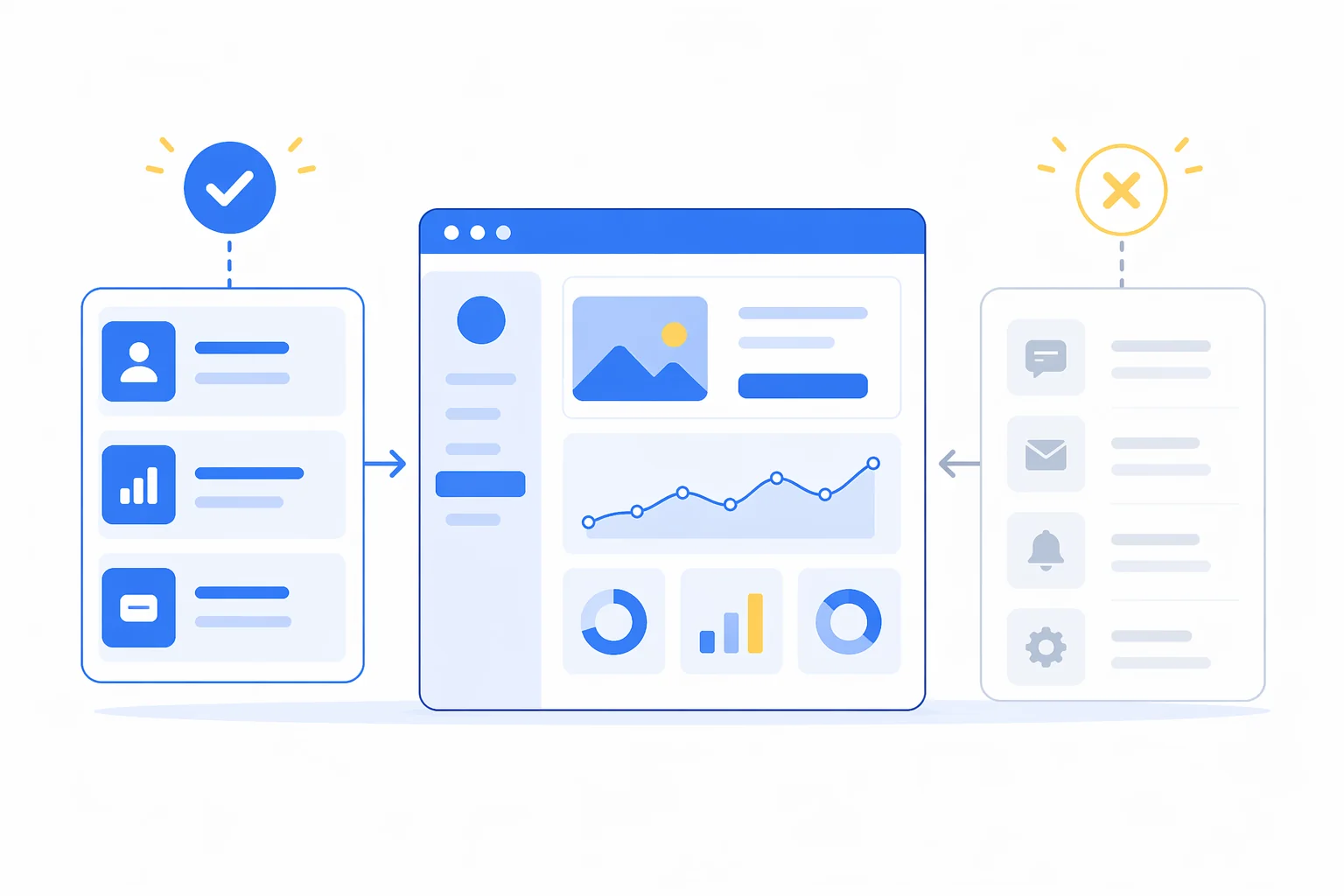
Once you are ready to build, the biggest challenge is deciding what actually matters. Most founders try to include everything they imagined during the early stage. That is where things start to go wrong.
You should begin with one clear focus. What is the core value your product delivers? Your value proposition should answer a simple question. What problem are you trying to solve and how does your product solve the problem better than existing options? If you cannot explain this in a few lines, your scope is too wide.
Focus only on the must-have elements that support this core value. Everything else is a distraction at this stage. A specific product that solves one problem well is far more useful than a broad solution that tries to do too much.
Avoid adding features just because they seem useful. Nice-to-have features can wait. Right now, your goal is to build the right solution, not the complete solution.
If your product feels too big to launch quickly, you are probably building more than you need.
MVP Is Not About Building, It's About Learning
Most founders treat the MVP as a small version of the final product. That mindset leads to the same mistake in a smaller form. In reality, your MVP is an experiment designed to help you learn fast.
The goal is not to build something perfect. The goal is to create something simple that helps you collect user feedback. Every interaction with users gives you feedback to validate what works and what does not. This is where real progress happens.
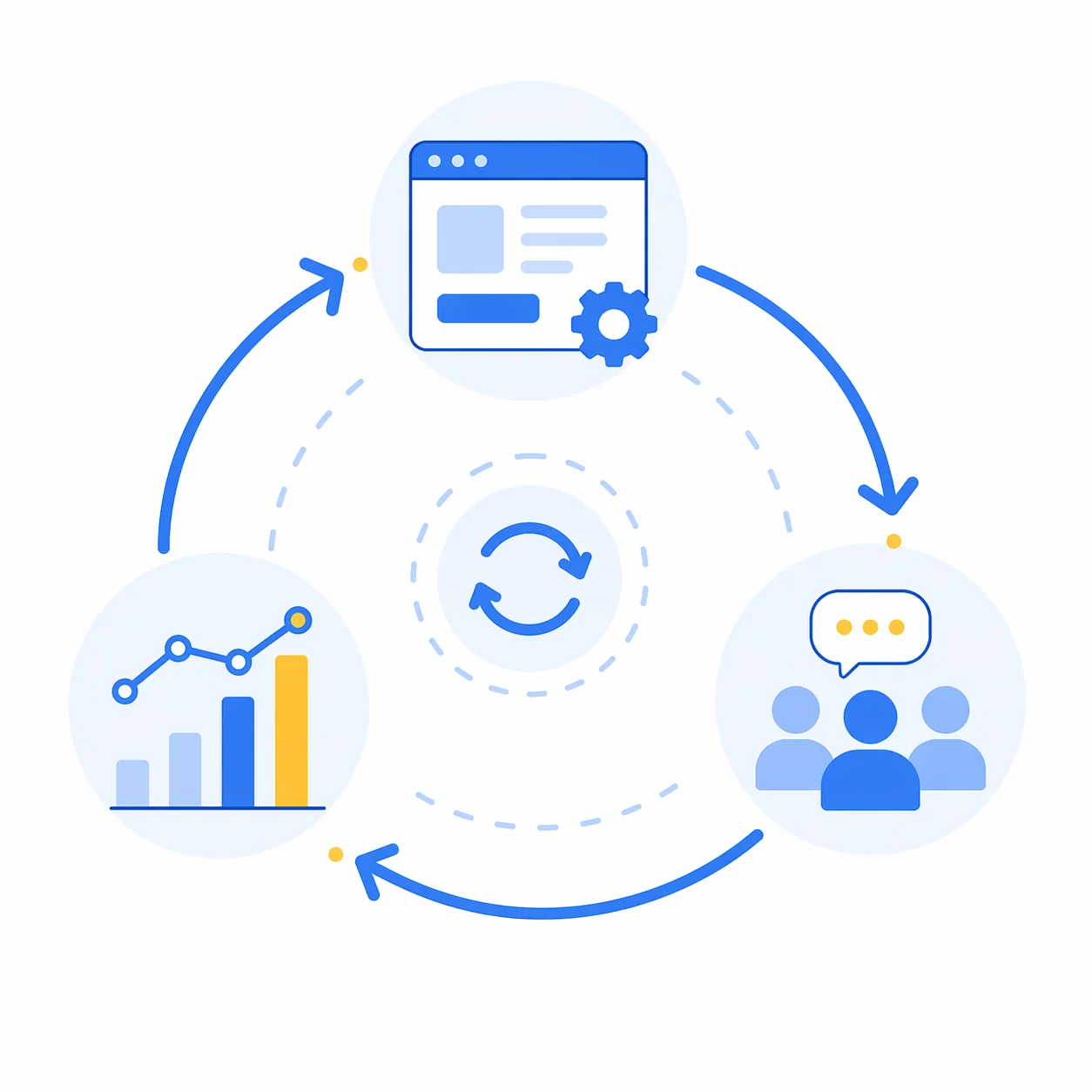
Think of your MVP as a learning loop. You build a simple version, share it with users, observe how they respond, and then improve based on what you learn. This cycle should continue until your product starts to match real needs.
Validation is the process of learning from real behaviour, not assumptions. If your MVP is not helping you learn, then it is not serving its purpose.
The faster you test and improve, the faster you move towards a product that people actually want.
Different Ways to Test Your Product Idea Without Overbuilding
You do not need a fully built product to test your idea. In fact, simple approaches often give better insights because they focus on real behaviour, not features.
One of the easiest ways is a landing page. A simple landing page can explain your value proposition and invite users to sign up or show interest. This helps you understand if people care enough to take action. You can also test a pre-order option to see if users are willing to pay before the product is ready. That is a strong signal of demand.
Another approach is using a mockup. Instead of building the full product, you create a basic visual or clickable version that shows how it will work. This helps you gather feedback without heavy development.
You can also use a concierge model. Here, you deliver the service manually to a few users instead of building automation. This gives you direct insight into what works and what needs improvement.
All these methods help you test a viable product idea without overbuilding. The goal is simple. Learn quickly and adjust before investing more time and effort.
How to Launch Your MVP Without Waiting for Perfect
Waiting for everything to feel ready is one of the biggest reasons founders delay progress. Your MVP is not meant to be perfect. It is meant to be used. The sooner you put it in front of people, the sooner you start learning what actually works.
Speed matters more than polish at this stage. A simple version that solves one problem is enough to begin. If you keep refining before launch, you are only delaying real feedback. Early visibility is what drives progress.
Start by sharing your MVP in places where your audience already exists. Social media groups are a good starting point. You can also talk about your idea on platforms where people discuss similar problems. This helps you reach users who are more likely to engage.
If you are building an online business, offer early access to a small group of users. This creates a sense of involvement and gives you direct feedback. These early users often become your first supporters.
Launch early, observe closely, and improve quickly. That is how real products grow.
How to Get Your First Users and Real Feedback

Getting your first users is not about waiting for traffic. It is about reaching out directly to the right people. At this stage, you are not looking for scale. You are looking for early adopters who genuinely face the problem you are trying to solve.
Start with potential users who match your target customers. These are people who already feel the problem in their day-to-day work. Instead of sending generic messages, have real conversations. Ask simple questions and try to understand how they currently deal with the issue.
User interviews are one of the most effective ways to learn. When you speak to real users, you hear their language, their frustrations, and their expectations. This gives you clarity that no dashboard or report can provide.
Do not rely only on numbers in the beginning. Analytics can tell you what is happening, but conversations tell you why. Focus on listening carefully and observing behaviour.
The goal is not to impress users. The goal is to learn from them and improve your product based on what actually matters.
How to Measure If Your Product Is Actually Working
At this stage, success is not about how polished your product looks. It is about whether people are actually using it and finding value in it. The right metrics help you understand that clearly.
Start with simple signals. Are users coming back after trying your product? Are they spending time using it? These are early signs that you are moving in the right direction. But usage alone is not enough.
The stronger signal is willingness to pay. When users are ready to spend money, it shows that your solution is solving a real problem. Paying customers are the clearest indicator that your idea is turning into something valuable.
You should also look at market demand. Are more people showing interest over time? Are users recommending your product to others? These patterns help you understand if your product is gaining traction.
Product-market fit does not happen instantly. It builds over time as you refine your product based on real feedback. Focus on meaningful signals, not vanity numbers.
What to Do After MVP: Iterate, Scale, or Pivot
Once your MVP is in the market, the next steps depend on what you learn from real usage. This is where many founders feel confused. They either keep building without direction or try to scale too early.
Start by looking at what the data and user feedback are telling you. If users are engaging and showing interest, the right move is to iterate. Improve the existing product, fix gaps, and make small changes that increase value. This is where thoughtful product development matters.
If you see strong signals such as consistent usage and early revenue, you can start thinking about scaling. But this should only happen when the feasibility of your model is clear and repeatable.
If users are not engaging or the problem does not feel strong enough, it may be time to pivot. This does not mean failure. It means adjusting your direction based on what you have learned.
Your MVP gives direction, not success. Use it to make better decisions, not bigger assumptions.
Common Mistakes Founders Make During Product Validation
Even after strong validation, many founders still make avoidable mistakes that slow progress. The most common one is building too early. Instead of testing assumptions, they jump straight into development and spend time creating features that may not be needed.
Another mistake is ignoring feedback. Founders often hear what users say but choose to follow their own ideas instead. This creates a gap between what users need and what gets built. Feedback should guide decisions, not be treated as optional input.
There is also a growing tendency to rely too much on tools. Many founders use AI to speed up work, which is helpful, but it can lead to shallow thinking if used without direction. Tools can support your process, but they cannot replace real understanding.
Stay close to users, focus on solving real problems, and make decisions based on what actually works.
FAQ: Startup Product Validation
What is MVP in a startup?
An MVP is a simple version of your product that focuses on one core problem. It helps you test your idea with real users and gather feedback before building further.
Can I build an MVP without coding?
Yes, you can. Many founders use no-code tools, mockups, or even manual methods to test their idea. The goal is to learn, not to build a complex system.
How long should MVP take?
It depends on the idea, but most MVPs should be built quickly. A few weeks is often enough to create something usable and start testing with users.
How much should MVP cost?
The cost should be kept low. You are not building a full product, just a version that helps you learn. The lean startup approach focuses on minimising cost while maximising learning.
Key Takeaways
- Build small and keep your scope limited to one clear problem
- Focus on core value instead of adding extra features
- Launch early so you can get real feedback from users
- Learn fast by observing behaviour, not just opinions
- Iterate based on what users actually need
A focused approach helps you move faster and make better decisions. When you stay close to users and keep improving based on real feedback, your product becomes stronger with each step.
Ready to Move From Validation to Execution?
If you have already validated your idea and are ready to move forward, this is where you should focus on building and execution.
👉 Join our Founder Partnership Program
The Founder Partnership Program supports founders who want to turn validated ideas into real products and real outcomes without unnecessary complexity. Get structured support and start building with confidence.
Related articles




Nuno Dhiren
Founder, Internwise
You've learned how to validate your startup idea. Now it's time to build it the right way. Our Founder Partnership Program gives you structured guidance, expert mentorship, and a clear roadmap to turn your validated idea into a real, profitable business.
Join other ambitious founders who are building sustainable startups from day one.